
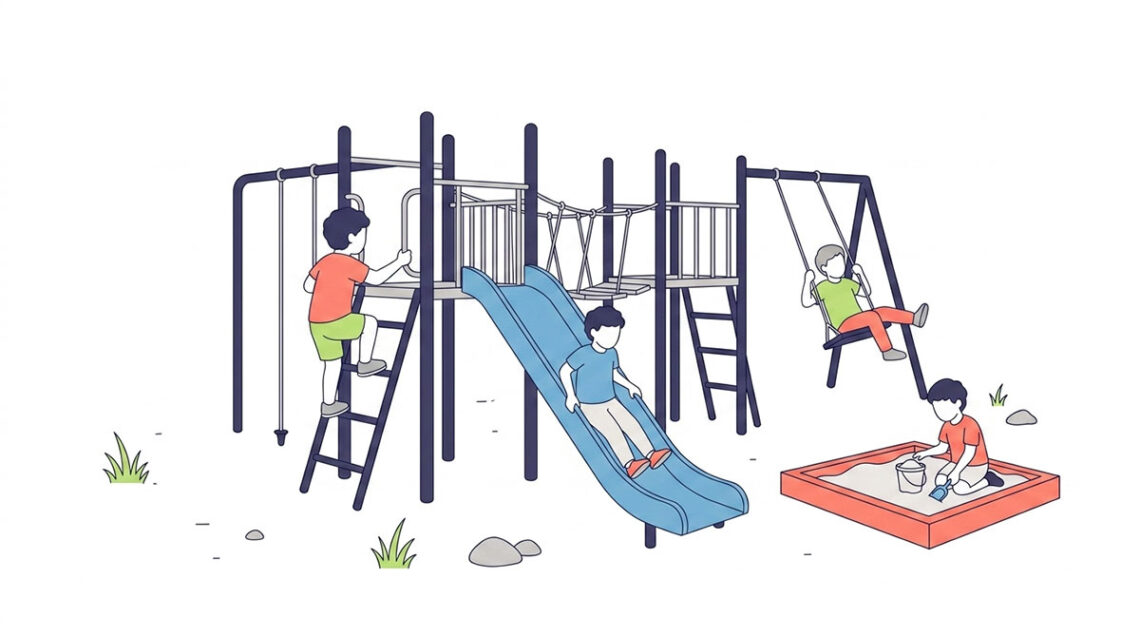

How to Build Safe Play and Community Experiences in Autism
Schoolyards pose unique challenges for children with autism, but embracing diverse play styles and strong support networks transforms the experience.

Schoolyards pose unique challenges for children with autism, but embracing diverse play styles and strong support networks transforms the experience.
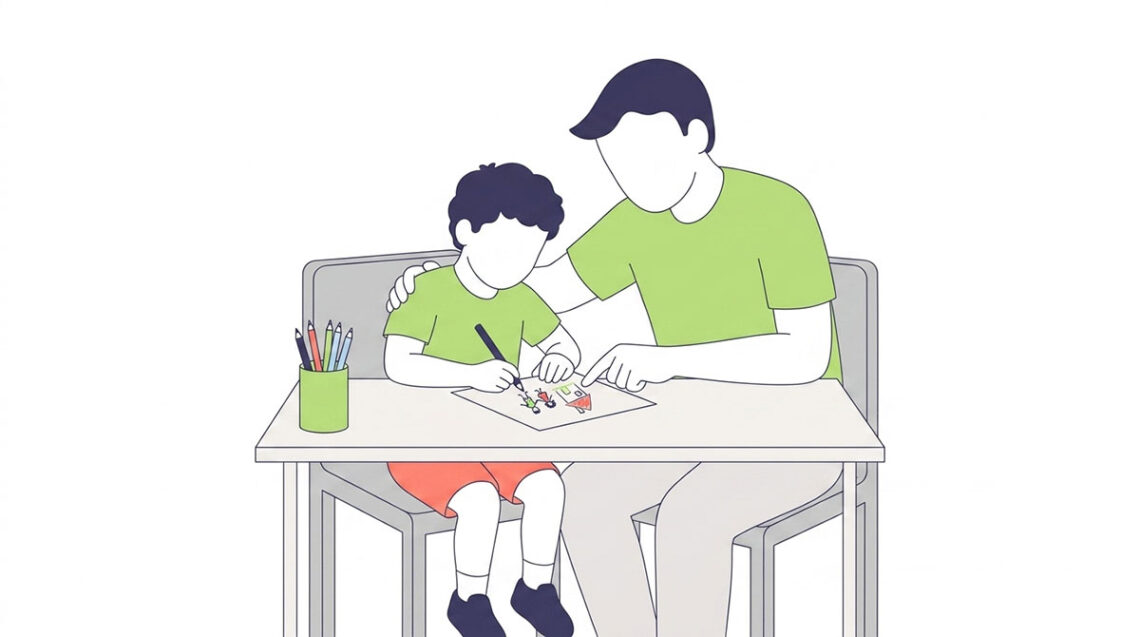

Expressive and multimodal therapies like music, movement, and creative arts offer highly adaptive, strength-based pathways for children with autism.
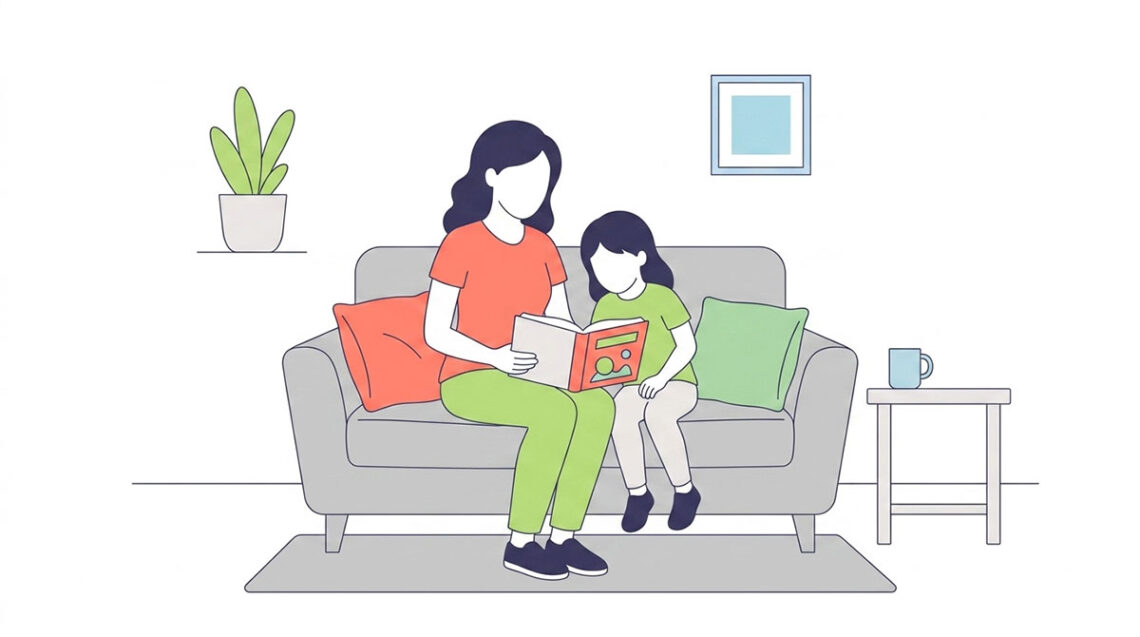

For children with autism, communication is about far more than spoken words; it is the foundation for meaningful connection, and emotional well-being.
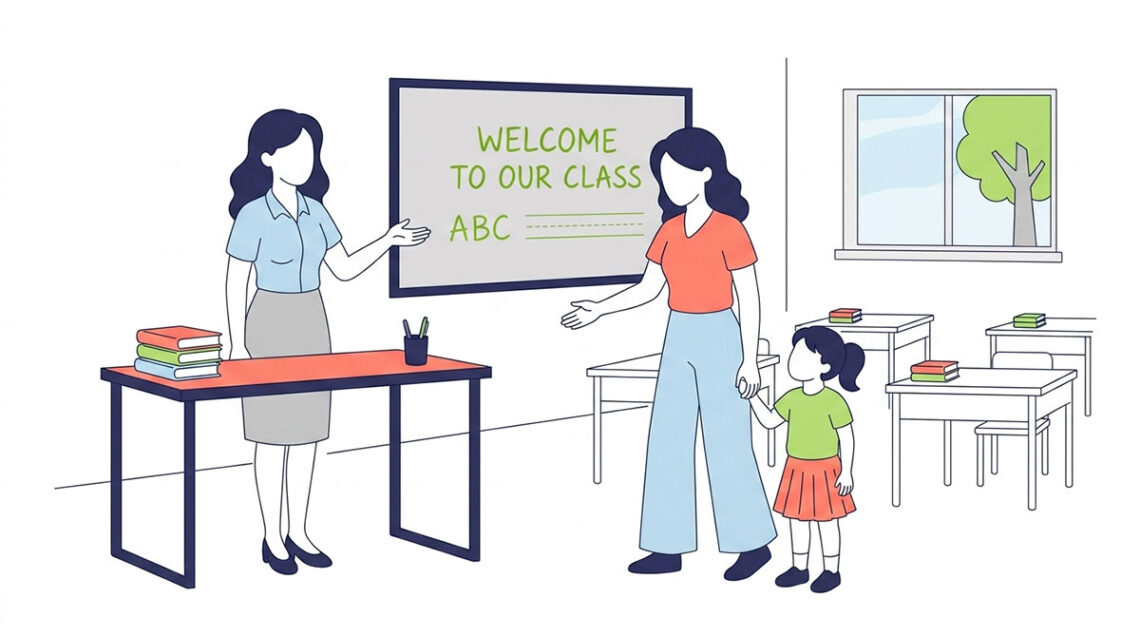

Creating a nurturing and inclusive environment for a child with autism involves actively engaging and equipping their entire community.
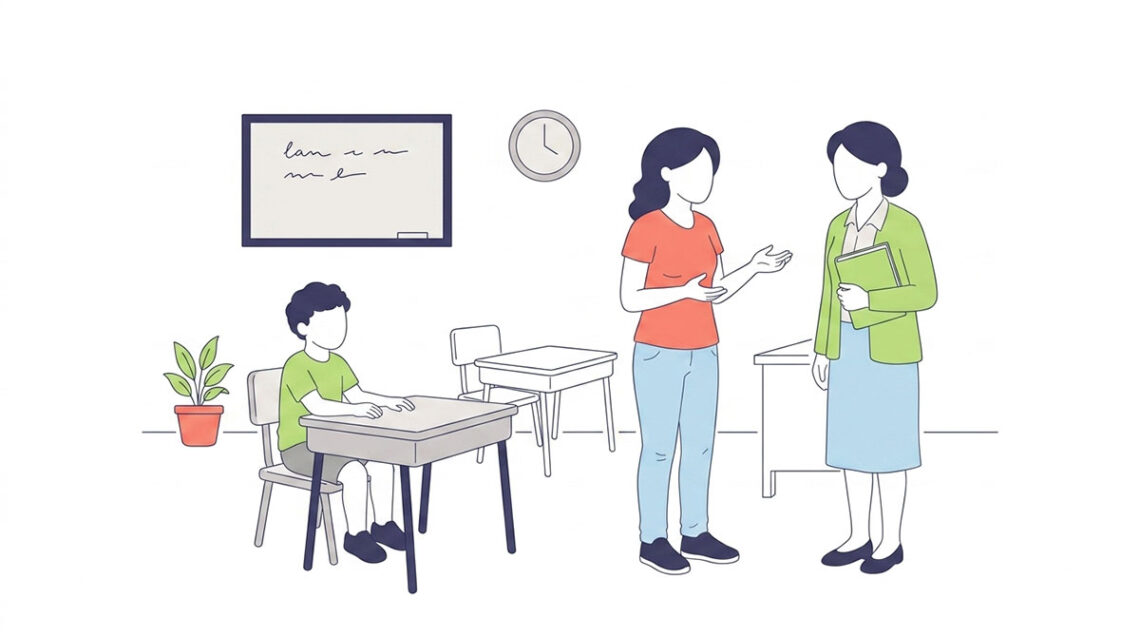

Choosing an educational path for a child with autism requires balancing their behavioural learning, and sensory profiles with the legal and structural resources
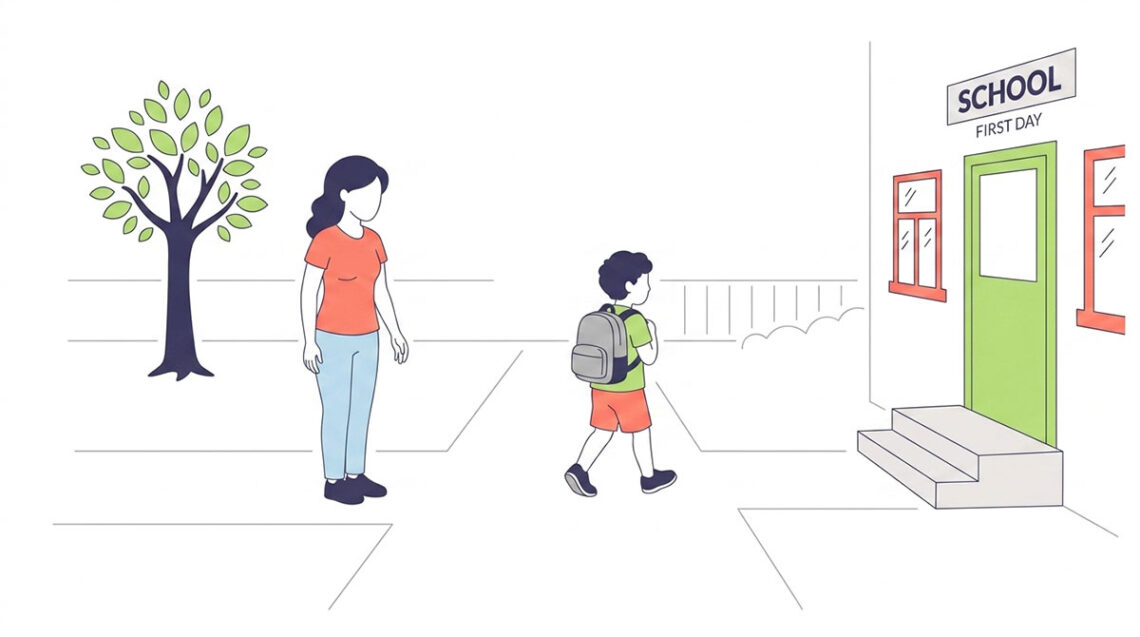

Transitioning into a new school year or moving between structured and unstructured activities can feel overwhelming for a child with autism.
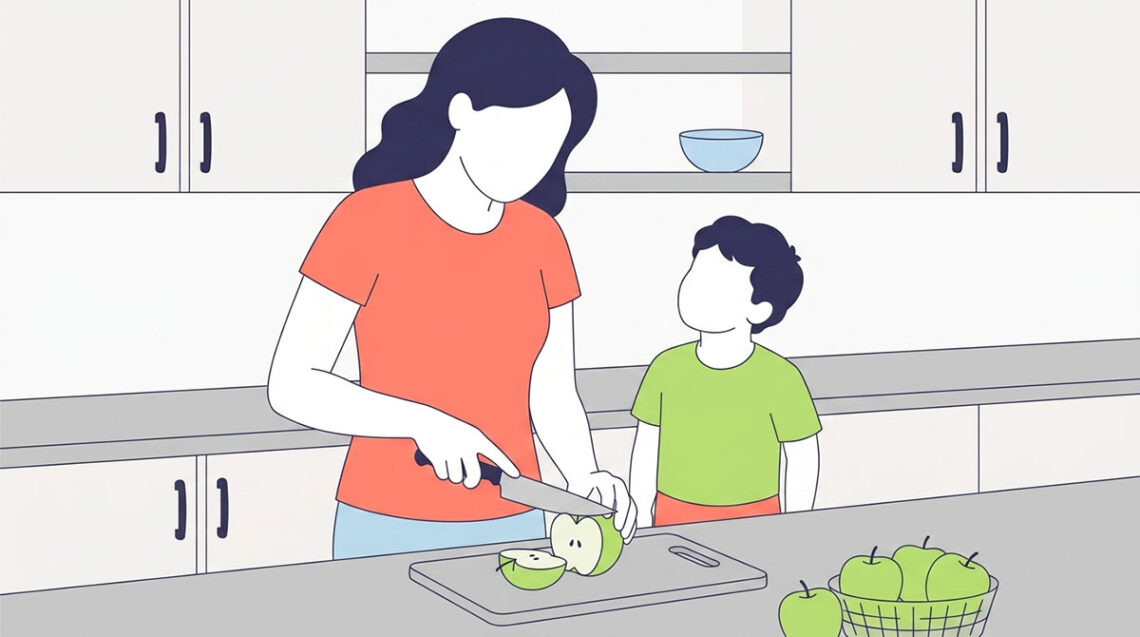

Supporting speech development in a child with autism requires a unified, interdisciplinary approach that bridges clinical expertise with everyday family life.
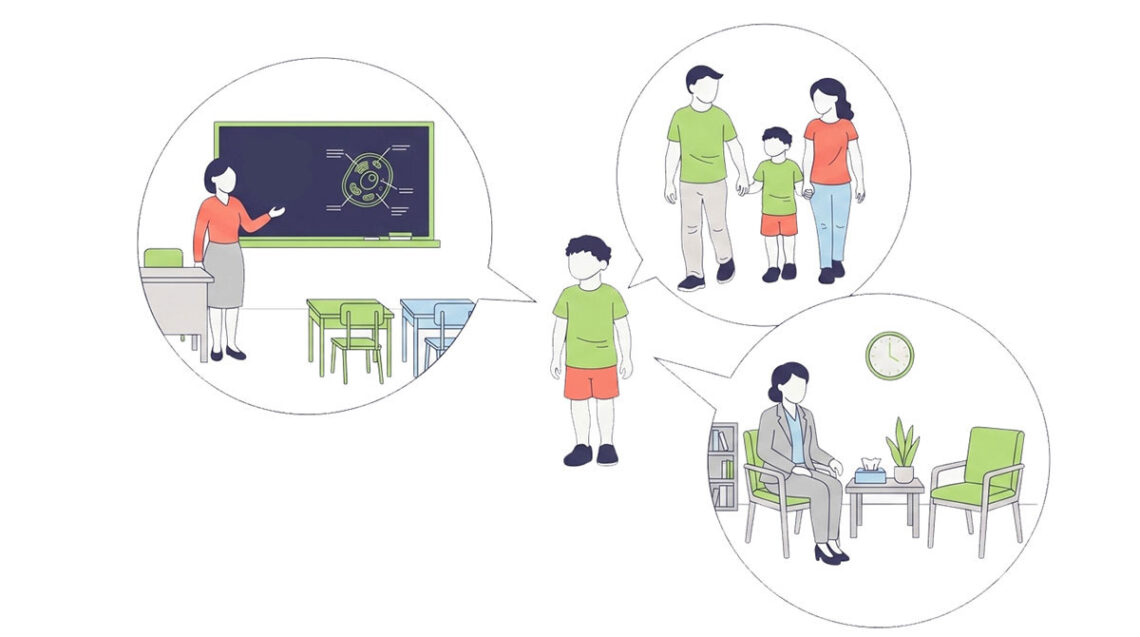

When a child with autism navigates multiple environments – the key to unlocking their full potential lies in seamless, neurodiversity-affirming alignment.
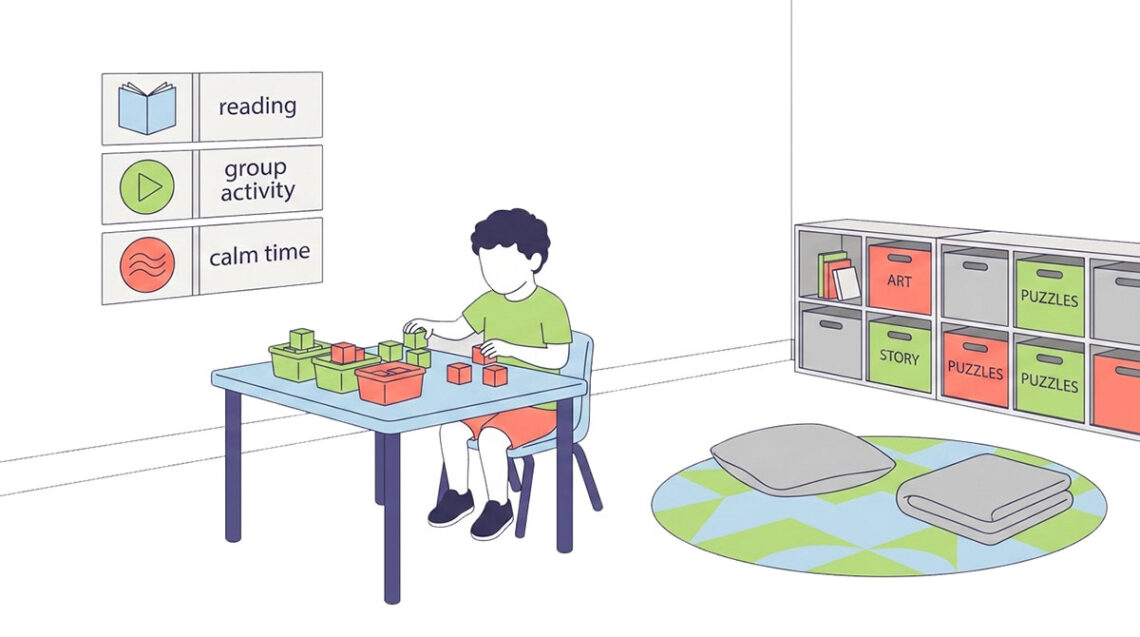

Supporting a child with autism requires a deliberate shift from demanding rigid compliance to creating environments rooted in predictability.

Transitioning from a highly structured school environment to summer break requires proactive planning to maintain predictability for children with autism.