

Why Are Autism Diagnostic Assessments Important for Children
Executive Summary
An Autism Diagnostic Assessment is a comprehensive, gold-standard clinical evaluation that determines whether a child meets the criteria for Autism Spectrum Disorder (ASD). Conducted by Registered Psychologists and Pediatricians, this evaluation provides a clear diagnostic answer, unlocks official funding, and opens pathways to specialized developmental supports.
- Gold-Standard Evaluation: Uses evidence-based clinical tools to establish an official diagnosis.
- Funding & Support Access: Unlocks provincial funding registries and specialized school accommodations.
- Actionable Guidance: Replaces waiting with clear, step-by-step developmental roadmaps.
In This Article
- What is an Autism Diagnostic Assessment?
- Signs your child may need an evaluation
- The risks of taking a "watch and wait" approach
- At what age can a child be assessed?
- Why Monarch House assessments provide the best outcome
What is an Autism Diagnostic Assessment?
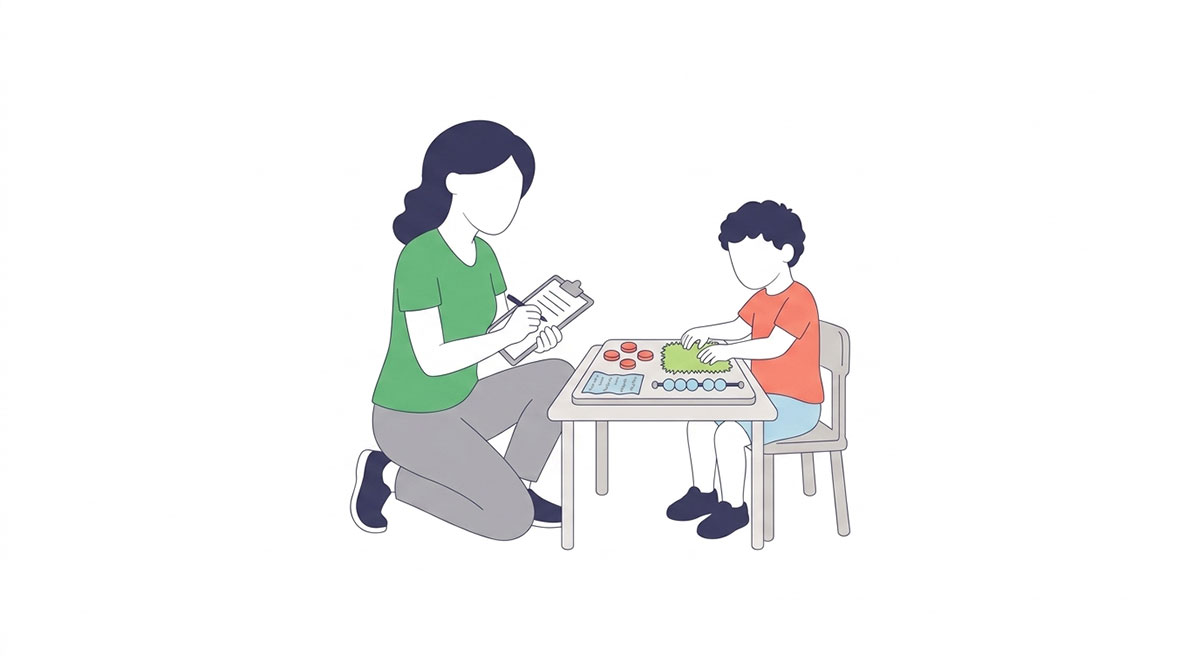
An Autism Diagnostic Assessment is a thorough evaluation conducted by qualified medical and psychological professionals to identify a child’s unique neurodevelopmental profile. Rather than looking for deficits to "fix," our clinicians evaluate how a child interacts, communicates, and experiences the world so families can better understand their child’s strengths and support needs. During an evaluation, clinicians observe behavioural patterns, social communication styles, and sensory processing needs in a supportive, low-pressure environment.What Signs Indicate a Child May Need an Evaluation?
Caregivers know their children best and are often the first to notice early developmental variations. Recognizing these signs early ensures your child receives timely, strength-based support.- Communication Delays: Significant speech delays or unique communication patterns.
- Social Differences: Challenges navigating social norms like sharing, taking turns, or responding to names.
- Repetitive Behaviours: Engaging in repetitive motor movements or holding intense, focused interests.
- Sensory Processing: Intense reactions or sensitivities to lights, sounds, textures, or temperatures.
- Emotional Regulation: Frequent, intense meltdowns or rapid sensory fatigue during daily routines.
What Is the Harm in a "Watch and Wait" Approach?
A "wait and see" strategy defers essential support during critical developmental periods, creating unnecessary strain for children and families.- Missed Neuroplasticity Windows: The brain develops most rapidly between ages 1 and 5. Delaying an assessment defers targeted early interventions - such as speech-language therapy, occupational therapy, and behavioural support - when the brain is most adaptable.
- Prolonged Regulatory Frustration: Unidentified sensory processing differences leave children overwhelmed by daily demands. Without appropriate tools, sensory fatigue often results in meltdowns that are mislabeled as intentional "behavioural issues."
- Delayed Financial & Educational Support: Official provincial funding programs (such as the Ontario Autism Program) and school accommodations require a formal diagnosis from a licensed professional. Waiting delays enrollment on support registries.
- Risk of Chronic Masking & Burnout: Unrecognized neurodivergent children expend immense energy forcing themselves into neurotypical expectations. Over time, chronic "masking" causes social exhaustion, anxiety, low self-esteem, and school refusal.
How Early Can a Child Have an Autism Diagnostic Assessment?
A child can receive a reliable diagnostic assessment as early as 18 to 24 months of age.| Age Range | Assessment Focus & Clinical Capabilities |
| 12 to 18 Months | Clinicians identify early developmental indicators through standardized screening tools during routine check-ins. |
| 18 to 24 Months | Registered Psychologists and Pediatricians can make a formal, reliable diagnosis using evidence-based tools observing joint attention, eye contact, and social responses. |
| Ages 2 to 5+ Years | Assessments evaluate traits that become more pronounced during major childhood transitions like preschool or kindergarten. |
Why Choose Monarch House for Your Child's Autism Diagnostic Assessment?
At Monarch House, we reject the transactional "assess-and-dismiss" model. Your child's evaluation is conducted by trusted Registered Psychologists and Pediatricians who collaborate directly with our in-house team of Board Certified Behaviour Analysts (BCBAs), Speech-Language Pathologists (SLPs), Occupational Therapists (OTs), and Social Workers. Every clinician at Monarch House operates from a neurodiversity-affirming perspective - focusing on your child's unique strengths while honouring the real challenges your family faces. We do not just provide an official answer; we partner with you to deliver an actionable roadmap and a compassionate community where your child and family truly belong.Frequently Asked Questions
Will government funding bodies and schools recognize a diagnosis from Monarch House?
Yes. Evaluations are conducted by Registered Psychologists and Pediatricians, meeting all provincial requirements for funding eligibility and school support plans.
How do you assess young children who are non-verbal or shy?
Clinicians use play-based, low-pressure observation tools tailored to your child’s natural comfort level, communication style, and individual interests.
How long will we have to wait for the final diagnostic report?
Monarch House prioritizes fast turnaround times, delivering your detailed, comprehensive diagnostic report and post-assessment consultation within weeks of testing completion.
At Monarch House, we understand that every neurodivergent child's needs are unique and urgent. If your child is struggling with communication, routines, or behaviour, reach out to us today to discuss your specific concerns and explore personalized support options.
Additional Support
Why Is Developmental Screening Important for Children
Developmental screening provides a fast, structured snapshot of a child’s growth, communication, and learning milestones without a lengthy diagnostic wait.
How to Navigate Autism Assessments and Behaviour Support
Challenging behaviours in children with autism – whether unexpected meltdowns or outright refusal – often stem from sensory, social, or communication barriers.
How to Make the Next Steps After an Autism Diagnosis Easier
Receiving an autism diagnosis is a major life event that requires prioritizing emotional health, family unity, and evidence-based action.