

Why Is Working with a Pediatrician Important for an Autistic Child
Executive Summary
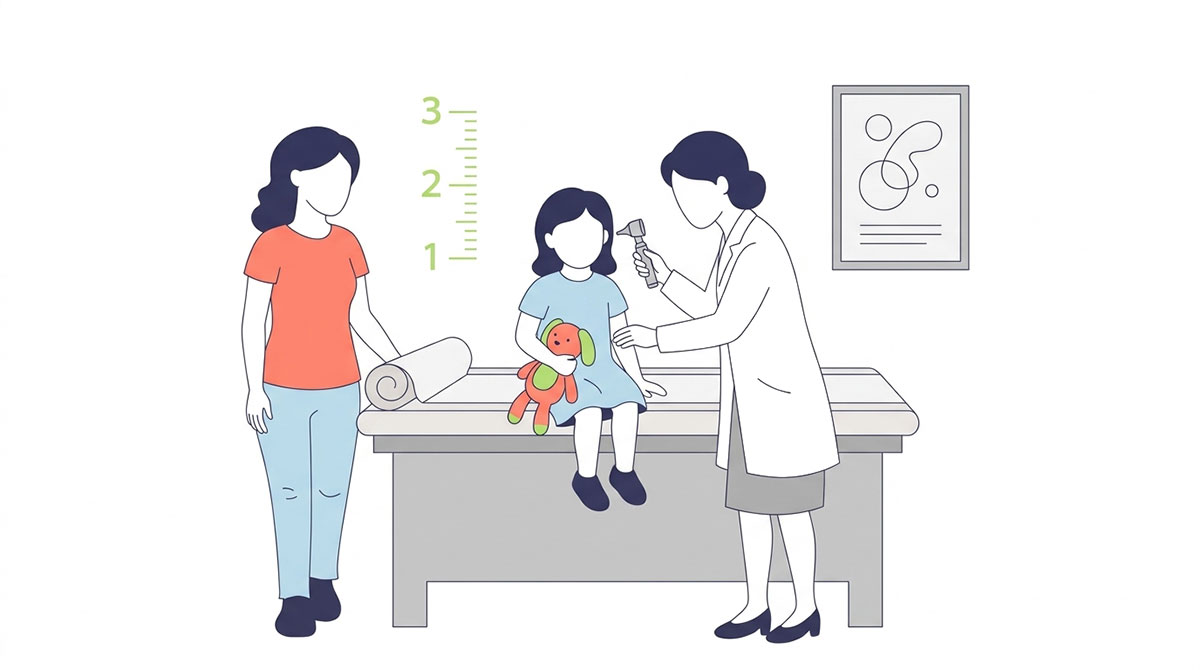
At Monarch House, our Pediatricians evaluate physical growth, manage medical conditions associated with neurodiversity, and provide medical oversight alongside detailed developmental assessments. They serve as vital medical anchors, ensuring every child with autism receives comprehensive, compassionate, and evidence-based care tailored to their unique strengths and needs.- Specialized Focus: Pediatricians specialize in children’s physical, behavioural, and developmental health.
- Integrated Care: They manage co-occurring conditions like sleep disorders and gastrointestinal issues alongside developmental needs.
- Holistic Outcomes: Their core goal is to optimize long-term health, comfort, and developmental progress.
In This Article
- What is a Pediatrician and who are they?
- What do Pediatricians do at Monarch House?
- Why is working with a Pediatrician important?
- What is the primary outcome Pediatricians work toward?
- Why Monarch House Pediatricians offer exceptional care
Who Is a Pediatrician and What Do They Do?
A Pediatrician is a medical doctor specializing in the physical, behavioural, and developmental health of children. At Monarch House, Pediatricians serve as key clinical leaders who bridge medical science with everyday developmental support. When supporting a child with autism, their scope of work includes:- Evaluating physical growth, milestones, and physical wellness.
- Assessing developmental profiles to guide personalized care plans.
- Managing co-occurring medical conditions associated with neurodiversity, such as sleep disruptions and gastrointestinal challenges.
- Providing ongoing medical oversight in collaboration with multidisciplinary therapy teams.
Why Is Working with a Pediatrician Important for a Child with Autism?
Working with a Pediatrician ensures that underlying medical challenges do not hinder a child's developmental growth or daily comfort. Children with neurodevelopmental differences often experience physical symptoms - such as chronic GI discomfort or sleep issues - that can significantly impact their mood, learning, and ability to engage in daily routines. By identifying and treating these co-occurring conditions, a Pediatrician addresses the root physical causes of distress. This medical foundation allows therapeutic interventions to be far more effective, giving families clarity, safety, and continuous clinical reassurance.What Is the Core Outcome Pediatricians Strive to Achieve?
The ultimate outcome Pediatricians work toward is optimizing the overall well-being, functional health, and quality of life for both the child with autism and their family. Rather than viewing neurodiversity through a lens of deficits, our Pediatricians aim to remove physical barriers so that children can thrive. Through careful medical management, they aim to achieve:- Restorative sleep patterns for improved daytime regulation.
- Relief from gastrointestinal and physical discomfort.
- A clear, unified medical roadmap that supports long-term independence and happiness.
| Pediatric Role Overview | Primary Focus Areas | Key Outcomes |
| Developmental Assessment | Growth milestones & neurodevelopmental profiling | Early identification & tailored care plans |
| Medical Management | GI issues, sleep disorders & co-occurring conditions | Reduced physical discomfort & better daily focus |
| Clinical Oversight | Multidisciplinary team integration & medical safety | Holistic, aligned care across therapies |
Why Are the Pediatricians at Monarch House the Best Choice for Your Family?
Our Pediatricians at Monarch House are exceptional because they combine high-level clinical authority with deeply compassionate, neurodiversity-affirming care. They understand that behind every clinical assessment is a family seeking understanding, acceptance, and genuine partnership. Working directly alongside our speech-language pathologists, occupational therapists, and behaviour analysts, our Pediatricians ensure that medical care is seamlessly integrated into your child’s total therapy plan. At Monarch House, our Pediatricians do not just treat medical conditions; they uphold our core promise - ensuring that you and your child always feel that you belong.Frequently Asked Questions
How does a Pediatrician differ from a developmental therapist?
A Pediatrician is a licensed medical doctor who diagnoses medical conditions, prescribes treatments, monitors physical growth, and manages health issues like sleep or GI disorders. Developmental therapists focus on skill-building, communication, and occupational strategies.
What co-occurring conditions do Pediatricians manage in children with autism?
Pediatricians frequently manage sleep disorders, gastrointestinal issues, feeding challenges, and other medical conditions that commonly occur alongside neurodevelopmental differences.
Do I need a Pediatrician if my child already sees allied health therapists?
Yes. Medical oversight from a Pediatrician ensures that any physical discomfort or underlying health issues are addressed, creating a healthy foundation for therapies to be effective.
At Monarch House, we understand that every neurodivergent child's needs are unique and urgent. If your child is struggling with communication, routines, or behaviour, reach out to us today to discuss your specific concerns and explore personalized support options.
Additional Support
Why Is a Registered Psychologist Important for Child Development?
A Registered Psychologist is a licensed clinician who specializes in psychological assessment, brain-behaviour relationships, and formal diagnostic evaluations.
Why Is Developmental Screening Important for Children
Developmental screening provides a fast, structured snapshot of a child’s growth, communication, and learning milestones without a lengthy diagnostic wait.
How to Create Autism-Friendly Home Routines and Activities
Creating a structured yet flexible home environment is one of the most effective ways to nurture the well-being of children with autism.