

Why Are Psychotherapists or Counsellors Important for Autism
Executive Summary:
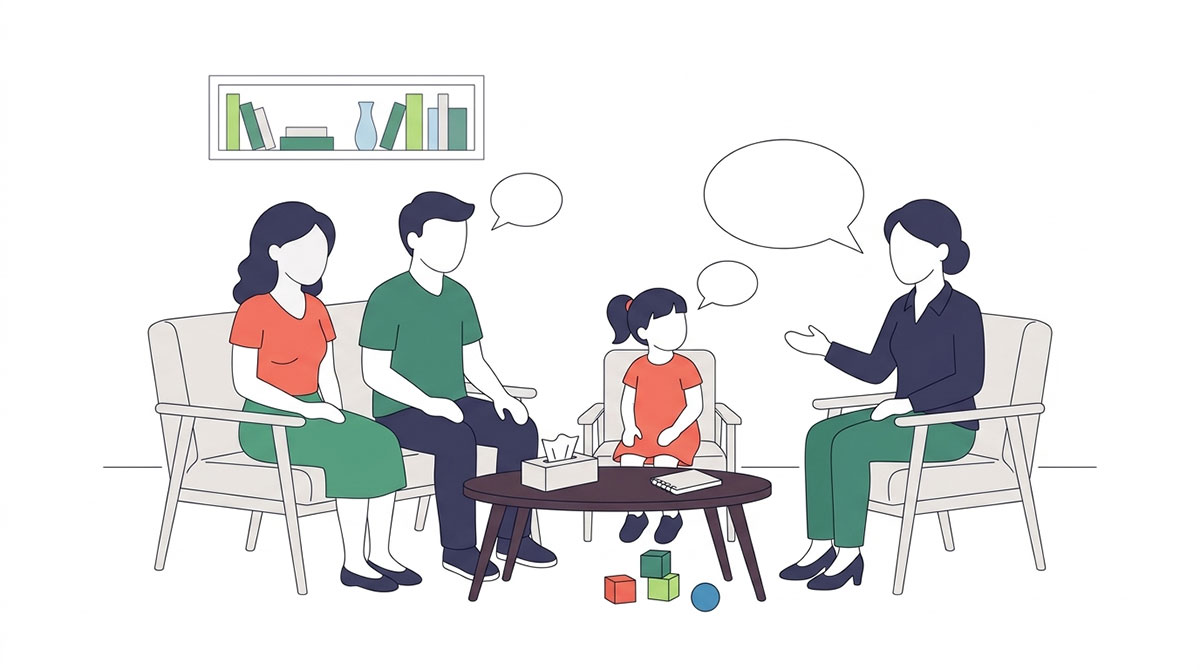
Psychotherapists or Counsellors at Monarch House provide compassionate, evidence-based emotional and psychological support tailored to neurodivergent children and their families. They help children manage anxiety, regulate complex emotions, build self-esteem, and navigate life changes, while ensuring parents and siblings receive the dedicated mental health support they need to feel supported and included.
- Child-Centered Regulation: Therapeutic interventions prioritize emotional literacy, self-esteem, and body-based self-regulation strategies over attempts to "fix" inherent differences.
- Whole-Family Mental Health: Dedicated counselling addresses parent overwhelm, caregiver burnout, and sibling dynamics, ensuring the entire family system thrives.
- Evidence-Based & Neurodiversity-Affirming Care: Clinical modalities such as Cognitive Behavioural Therapy (CBT) are adapted to validate the unique lived experience of each child with autism.
- What is a Psychotherapist or Counsellor in neurodevelopmental care?
- What does a Psychotherapist or Counsellor do for a child with autism?
- Why is working with a Counsellor important for the whole family?
- What are the primary outcomes of therapy?
- Why are Monarch House Counsellors uniquely equipped to support you?
What is a Psychotherapist or Counsellor in Neurodevelopmental Care?
A Psychotherapist or Counsellor is a certified mental health professional trained to support psychological well-being, emotional regulation, and mental health through evidence-based therapeutic practices. In the context of supporting a child with autism, these professionals serve as compassionate guides who seek to understand how a child experiences the world. Rather than viewing neurodevelopmental differences through a lens of deficit, a psychotherapist works with a child's natural strengths to navigate challenges like anxiety, social dynamics, sensory overwhelm, and big life transitions.What Do Psychotherapists or Counsellors Do??
A Psychotherapist or Counsellor delivers specialized, individualized support designed to foster self-acceptance, emotional awareness, and mental resilience. They meet children where they are - utilizing talk therapy, play-informed modalities, and tailored Cognitive Behavioural Therapy (CBT) - to help them process emotions safely. Their focus extends beyond the individual child to encompass the mental wellness of parents, caregivers, and siblings.- For the Child: Teaches emotional literacy, body-based regulation strategies, and coping mechanisms for processing anxiety or life changes.
- For the Parents: Offers dedicated mental health counselling to navigate caregiver stress, manage burnout, and implement supportive home routines.
- For Siblings: Provides a safe space for brothers and sisters to share feelings, process family dynamics, and build strong connections.
Why Is Working with Psychotherapists or Counsellors Important?
Working with a psychotherapist ensures that emotional and mental health needs are addressed alongside developmental and behavioural goals. A child with autism frequently encounters high levels of stress due to sensory overload, communication barriers, or social misunderstandings. Without targeted mental health support, these pressures can manifest as intense anxiety, low self-esteem, or burnout. A counsellor provides a psychological safety net, offering continuous validation and practical tools so that neurodivergent individuals never feel isolated in their experiences.What Is the Desired Outcome of Counselling?
The ultimate goal of working with a Psychotherapist or Counsellor is to foster a grounded sense of emotional resilience, self-advocacy, and absolute belonging.| Target Area | Core Objective | Key Outcome |
| Emotional Literacy | Identifying and naming feelings accurately | Greater emotional clarity and reduced distress |
| Self-Regulation | Learning body-based strategies to manage overwhelm | Increased calm during sensory or schedule changes |
| Self-Esteem | Framing neurodivergence as a set of unique strengths | Confidence and strong self-advocacy skills |
| Family Well-Being | Sustaining parent and sibling mental health | A unified, supported home environment |
Why Are Monarch House Psychotherapists or Counsellors the Best Partner for Your Family?
At Monarch House, our counsellors embody our core promise: You Belong. They do not attempt to change who an autistic child is; instead, they create a safe, neurodiversity-affirming space where every child is accepted exactly as they are. Working seamlessly as part of an interdisciplinary team, our mental health professionals integrate emotional wellness into every aspect of care, ensuring parents never feel alone and every family member finds community, understanding, and strength.Frequently Asked Questions
How does psychotherapy differ from behavioural therapy for a child with autism?
Behavioural therapy (such as ABA) focuses primarily on building functional skills, adaptive habits, and communication goals. Psychotherapy focuses on mental health, processing internal emotional states, easing anxiety, and fostering self-esteem and self-acceptance.
Can parents receive psychotherapy sessions at Monarch House without the child?
Yes. Monarch House recognizes that caregiver mental health is fundamental to a thriving home. Dedicated counselling and family guidance plans are available for parents and caregivers seeking support for stress management, navigating diagnoses, or family wellness.
How do mental health professionals adapt therapy for children with communication difficulties?
Psychotherapists utilize flexible, visual, sensory, and play-informed techniques tailored to the child's preferred communication style, ensuring emotional expression and connection do not rely strictly on spoken language.
At Monarch House, we understand that every neurodivergent child's needs are unique and urgent. If your child is struggling with communication, routines, or behaviour, reach out to us today to discuss your specific concerns and explore personalized support options.
Additional Support
Why Is a Registered Psychologist Important for Child Development?
A Registered Psychologist is a licensed clinician who specializes in psychological assessment, brain-behaviour relationships, and formal diagnostic evaluations.
Why Is Developmental Screening Important for Children
Developmental screening provides a fast, structured snapshot of a child’s growth, communication, and learning milestones without a lengthy diagnostic wait.
How to Support Safety and Mental Health in Autism
Managing the daily journey of raising a child with autism requires an approach that balances physical safety, emotional well-being, and structured routine.