

How to Improve Flight Experiences for Children with Autism
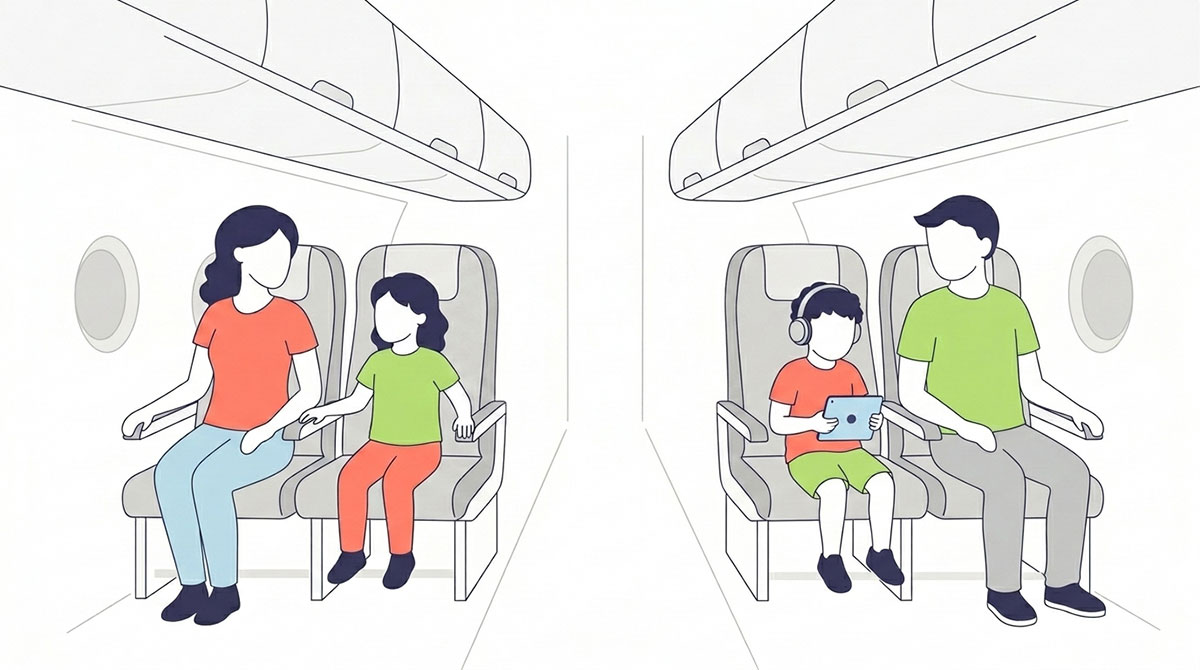
Executive Summary
With proactive preparation, targeted supports, and a flexible mindset, air travel can transform from a stressful hurdle into an exciting opportunity for family connection and new experiences. Key findings from our clinical team and behavioural therapists suggest:- Passion-Driven Rehearsal: Utilizing home role-play and visual roadmaps to turn the unknown into a predictable adventure.
- Strategic Boarding Choices: Intentionally choosing whether to board first or last based on your child's specific tolerance for waiting.
- Contingency Planning for Delays: Preparing a dedicated "delay buffer" of snacks, charged devices, and novelty items to handle gate changes and tarmac waits.
- Adaptive Sensory and Sleep Toolkits: Packing layered sensory defenses alongside familiar items to support rest on longer flights.
- Redefining Travel Success: Celebrating specific milestones - like a calm security screening or recovering from a tough transition - rather than expecting a "perfect" flight.
In This Article:
- The Travel Perspective: Recognizing the valuable growth, confidence, and learning opportunities that come with air travel.
- Home Rehearsals and Role-Play: Creating a pretend terminal to build familiarity.
- Airport Previews & Trial Runs: Utilizing accessibility programs and terminal walkthroughs.
- Strategic Boarding Decisions: Customizing your entry to match your child's patience baseline.
- The Flight Sensory & Sleep Toolkit: Essential gear for cabin comfort, noise management, and rest.
- Navigating Delays and Gate Changes: How to stay regulated during unexpected scheduling shifts.
- Managing Cabin Dynamics and Pressure Changes: Safe, effective ways to handle ear pressure and collaborate with flight crews.
How Can We Take a Strengths-Based Perspective When Traveling with a Child with Autism?
Many autistic children become highly confident, enthusiastic, and knowledgeable travelers when provided with appropriate preparation and structured support. Beyond simply reaching a destination, travel offers incredible opportunities for organic learning, problem-solving, personal independence, and deep family connections. When we frame the airport as a place of discovery rather than a series of rigid rules, children are empowered to step into new environments with curiosity and pride.How Do Home Rehearsals and Predictability Support a Child with Autism?
Preparation should begin well before departure day by using role-play and visual aids to make the multi-step travel sequence highly predictable. Creating a Home Airport Transform your living room into a "pretend" terminal. Pull out suitcases, set up chairs to mimic an aircraft row, and practice common steps:- Packing a bag together and placing it on a scale.
- Standing in a mock security line and placing a backpack in a bin.
- Buckling and unbuckling a seatbelt while seated to normalize the physical restriction.
How Does the Power of Airport Trial Runs Benefit a Child with Autism?
A preliminary visit to your departure airport can significantly reduce anxiety by familiarizing your child with the sights, sounds, and energy of the terminal in advance. Many international and regional airports now offer specialized accessibility programs (such as mock boarding events or terminal tours) designed specifically for neurodivergent travelers. If a formal program is unavailable, consider taking a short trip to the airport a few weeks before your flight just to walk through the public check-in areas, watch planes from the observation zones, and get used to the ambient sounds.What Are the Best Strategic Boarding Choices for a Child with Autism?
Many airlines offer pre-boarding or priority family boarding, but the "fastest" boarding method is not always the best fit for every child. Consider which approach aligns with your child's specific needs:- The Early Boarding Strategy: Boarding during priority windows allows you to settle into your seats calmly, stow carry-on luggage without rushing, and arrange your sensory toolkit before the aisle becomes crowded and chaotic.
- The Late Boarding Strategy: If your child struggles to remain seated for extended periods, consider waiting at the gate and boarding at the very end of the queue. This minimizes the total amount of time spent sitting in a cramped, stagnant cabin while the rest of the plane loads.
How Do We Navigate Flight Delays and Gate Changes with a Child with Autism?
Delays, cancellations, and sudden gate changes are routine parts of modern aviation and can often be far more demanding than the flight itself. Managing these unexpected shifts requires a proactive "delay buffer."- Pack Over-Prepared Carry-Ons: Always pack significantly more snacks, formula, or specialized food than the flight duration requires.
- Power and Media Backups: Ensure all digital devices are preloaded with offline content (movies, faviourite shows, interactive games) and that you carry fully charged portable power banks.
- The "Novelty" Item: Keep a couple of small, unseen toys or activities completely hidden away, to be revealed only if you find yourself stuck at a gate during an extended delay.
What Should Be Included in a Flight Sensory and Sleep Toolkit for a Child with Autism?
The interior of an airplane cabin presents an intense concentration of sensory stimuli, from changing air pressure and humming jet engines to fluorescent lighting and close physical proximity to strangers. Sensory Management- Noise-Reducing Headphones: Essential for blocking out ambient engine drone, flushing vacuums, and loud galley noises.
- Visual Comfort: Sunglasses or a comfortable eye mask to soften bright cabin lighting or sudden window glare.
- Tactile Grounding: Preferred fidgets, a familiar blanket, or a faviourite stuffed animal to provide a safe, sensory anchor.
- A familiar, unwashed pillowcase from home that carries a recognizable scent.
- A portable white-noise machine or a preloaded playlist of calming sounds to mask erratic cabin noise.
- Comfortable, tagless layers of clothing that can be adjusted easily as cabin temperatures shift.
How Can We Effectively Manage In-Flight Cabin Dynamics for a Child with Autism?
Navigating the actual flight requires a focus on physical comfort, clear communication, and self-compassion. Supporting Ear Pressure Comfort Children often experience distress during takeoff and landing as cabin pressure shifts. Rather than relying on complex breathing maneuvers, use simple, age-appropriate physical activities that trigger frequent swallowing to naturally clear the ears:- Sucking on a lollipop or hard candy.
- Drinking water or juice through a straw.
- Chewing gum.
- Using a bottle or a straw cup for infants and toddlers during altitude changes.
How Can We Support a Child with Autism Through High-Stress Moments?
If your child experiences deep sensory or emotional distress mid-flight, prioritize connection, safety, and regulation.- Create a Temporary Canopy: If your child is visually overwhelmed, drape a light blanket over the top of your seatback and the tray table to create a small, cozy, low-stimulus "tent."
- Focus on Your Own Regulation: Your child reads your nervous system. Take deep breaths, speak in a low, gentle whisper, and ground yourself.
- Involve Older Children in Self-Advocacy: As children grow, actively involve them in identifying what helps them regulate. Ask them in a calm moment: "Would headphones or your faviourite song help your body feel better right now?" Learning to recognize and communicate these preferences builds lifelong travel confidence.
Travel Preparation & Pacing Matrix
| Travel Phase | Strategic Action Item | Purpose of Strategy |
| Pre-Travel | Build visual schedules; role-play seatbelt and line routines. | Replaces unpredictable fear with familiar, structured expectations. |
| The Terminal | Choose a boarding style intentionally; prepare a delay-buffer bag. | Minimizes static waiting time and protects your child's energy reserves. |
| In the Cabin | Deploy headphones, sunglasses, and familiar pillowcases. | Shields the nervous system from intense ambient sensory input. |
| Ascent / Descent | Provide lollipops, straws, or gum during altitude changes. | Encourages continuous swallowing to gently equalize ear pressure. |
| Mindset | Focus completely on your child's comfort; celebrate small wins. | Relieves the pressure to be perfect and keeps the space safe for recovery. |
Success Is Progress, Not Perfection
True success during air travel does not mean a flawless flight free of tears, delays, or difficult moments. Focus on celebrating individual progress and resilience rather than chasing perfection.Frequently Asked Questions
What if our local airport doesn’t have a specific autism or accessibility program?
If a dedicated neurodiversity program isn't available, check if the airport or airline participates in the Hidden Disabilities Sunflower program, which provides discreet lanyards to alert staff that your family may need extra time or assistance. Additionally, look into "fear of flying" community clinics or contact your airline's specific special assistance desk at least 72 hours before departure to request accommodation options.
Is it really okay to bring a personal stroller all the way to the aircraft?
Yes, absolutely. Gate-checking a stroller is highly recommended for navigating long airport concourses. It not only saves your child's physical energy during endless walks but also serves as a familiar, secure, mobile "safe space" where they can sit and feel protected while waiting in long passport or security queues.
What should I do if my child with autism completely refuses to wear the aircraft seatbelt?
Practice is key. Well before the trip, source a similar buckle or practice with a standard vehicle seatbelt at home, emphasizing that the buckle stays on during "takeoff" and "landing" games. During the flight, if they resist, combine the action with a high-value distraction: the exact second the seatbelt clicks into place, hand them their favourite tablet game or a preferred snack so the physical restriction is instantly paired with a comforting, positive experience.
Should we pass out gift bags or notes to neighboring passengers?
There is absolutely no requirement or expectation for you to apologize for your child's presence or hand out tokens to strangers. Your energy is best spent supporting your child. The vast majority of fellow travelers are understanding, empathetic, and focused on their own journeys. If a difficult moment occurs, a simple, polite acknowledgment to a neighbor is more than enough.
Related Video
At Monarch House, we understand that every neurodivergent child's needs are unique and urgent. If your child is struggling with communication, routines, or behaviour, reach out to us today to discuss your specific concerns and explore personalized support options.
Additional Support
How to Make Airport Travel Easier for Children with Autism
Travelling with a child with autism requires a “Practice, Pretend, and Be Proactive” approach to manage the inherent stress of airport navigation.
How to Help Children with Autism Use Public Transportation
Preparing a child with autism for public transportation and transit requires a structured approach focusing on early exposure, practice, and visual planning.
How to Make Playdates Easier for Children with Autism
Successfully organizing playdates for a child with autism involves careful preparation, starting with short, manageable interactions.