
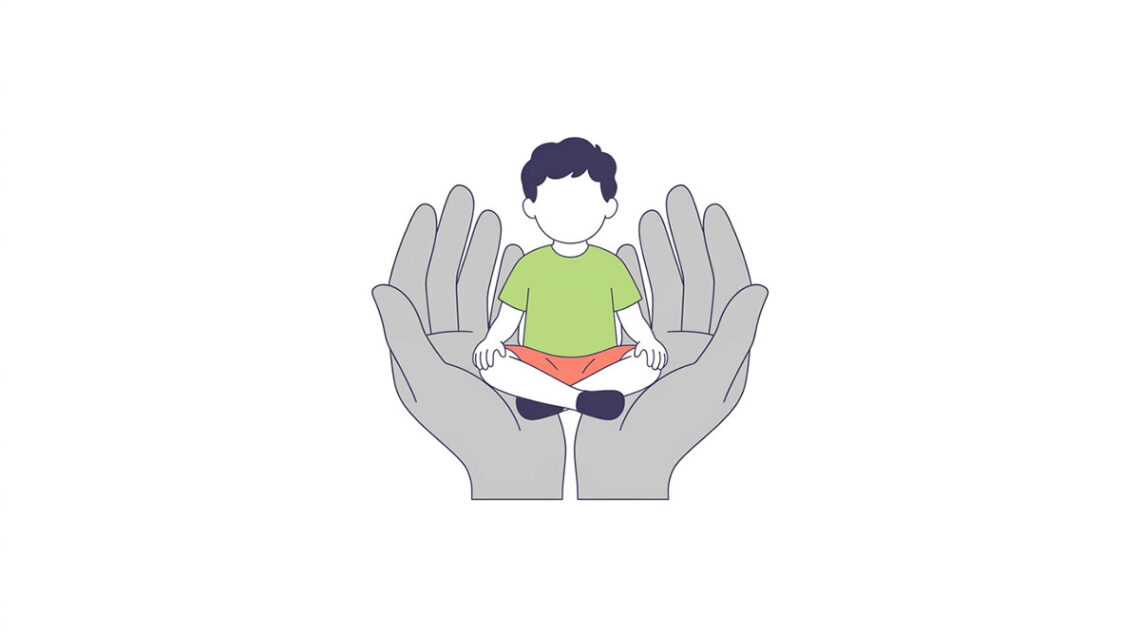

How to Build a Support Network for a Child with Autism
Navigating a child’s autism pathway requires an integrated, compassionate, and structured approach that embraces the entire family unit.

Navigating a child’s autism pathway requires an integrated, compassionate, and structured approach that embraces the entire family unit.


Receiving an autism diagnosis can feel overwhelming, but a clear, evidence-based path helps families move from uncertainty to confident advocacy.
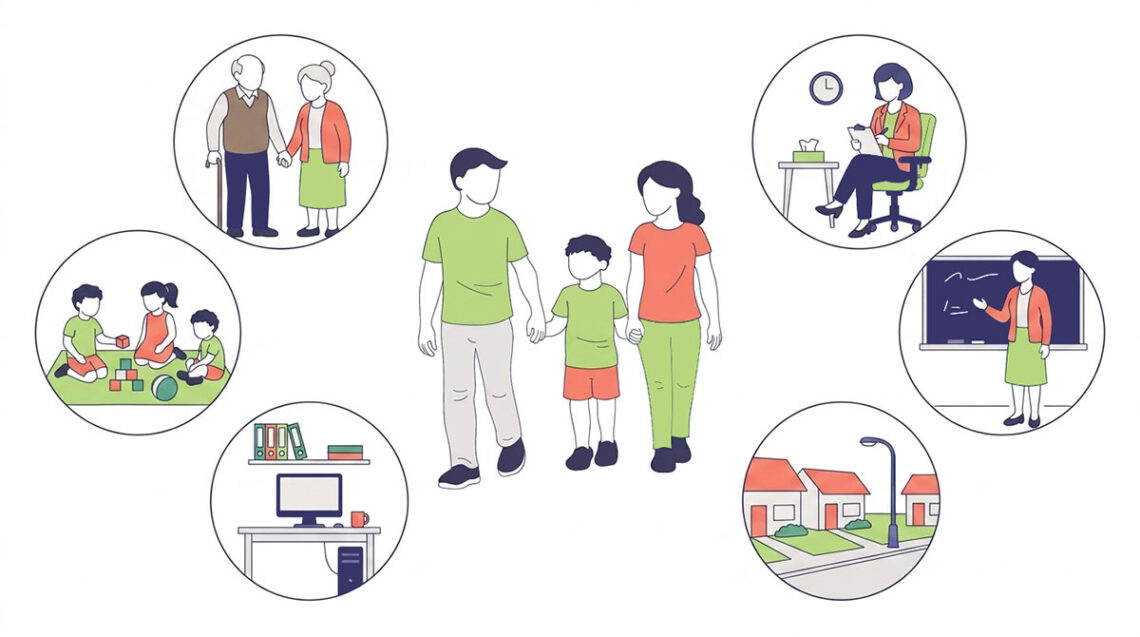

The journey following a child’s autism diagnosis is a transformative milestone that reshapes a family’s daily life, emotional landscape, and future outlook.


Transitioning into adulthood presents a unique and deeply personal sequence of milestones, and navigational shifts for a youth or young adult with autism.
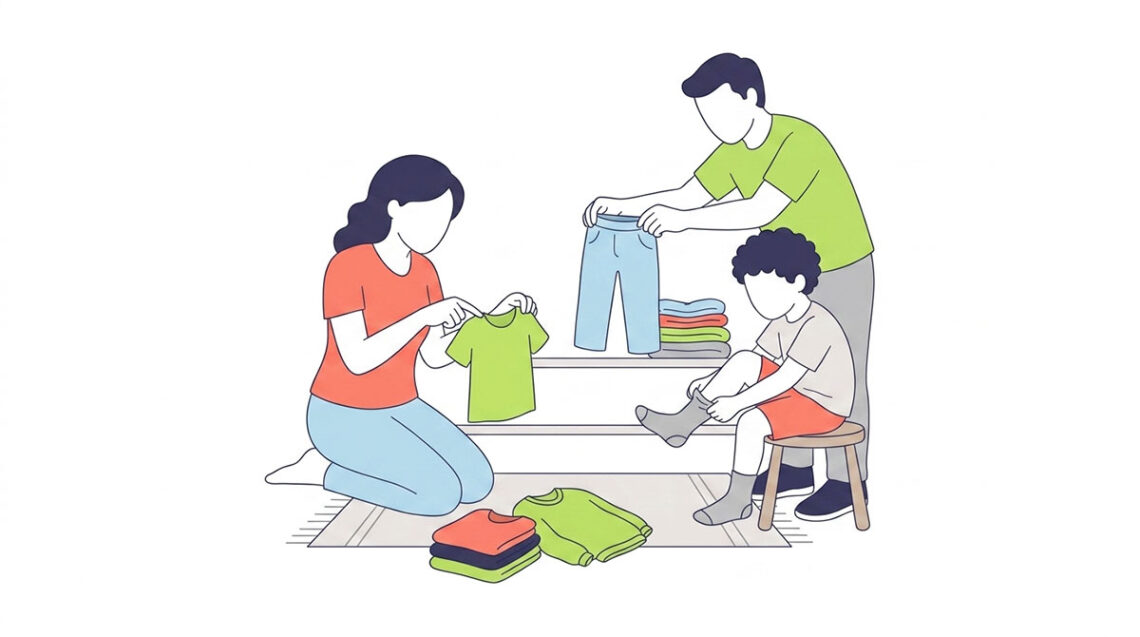

Navigating daily transitions, morning routines, and self-care can sometimes feel overwhelming for families supporting a child with autism.


Building independence for a child with autism involves breaking down complex everyday routines into predictable, visual, and structured steps.
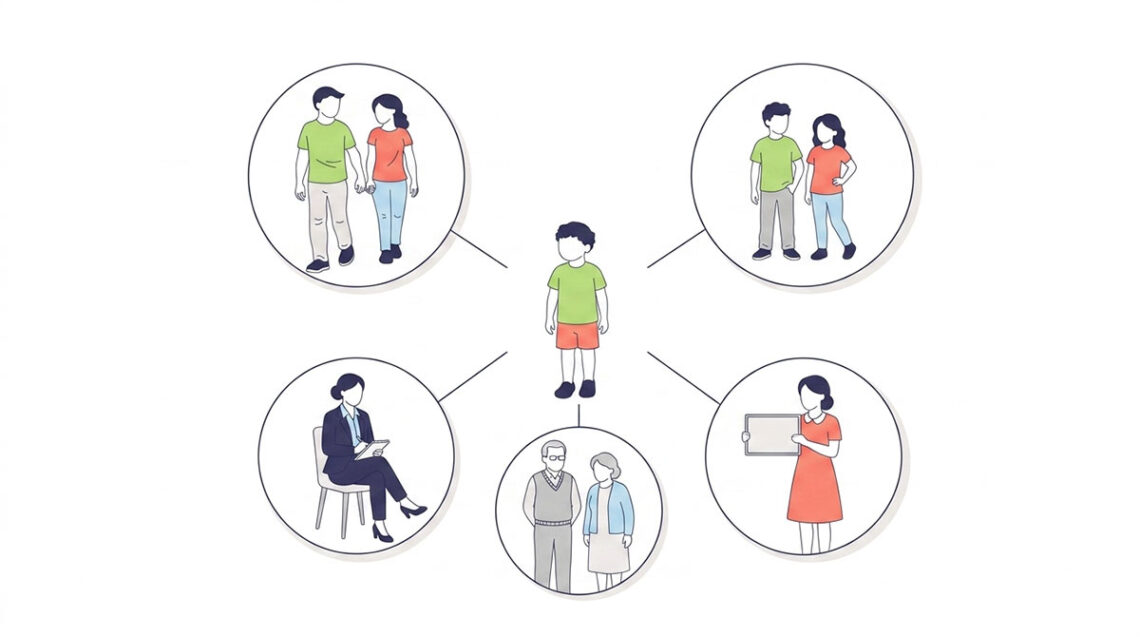

Early intervention provides the essential framework for a child with autism to develop communication, emotional regulation, and foundational social skills.
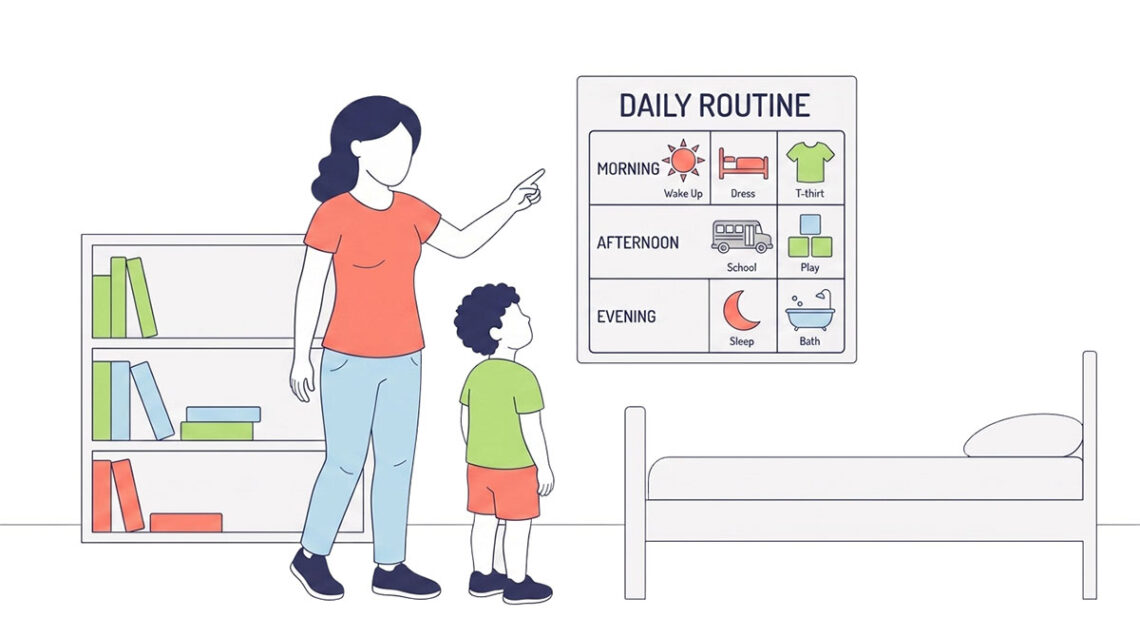

Implementing visual schedule and practicing emotional resilience strategies helps parents cultivate independence in their children with autism.
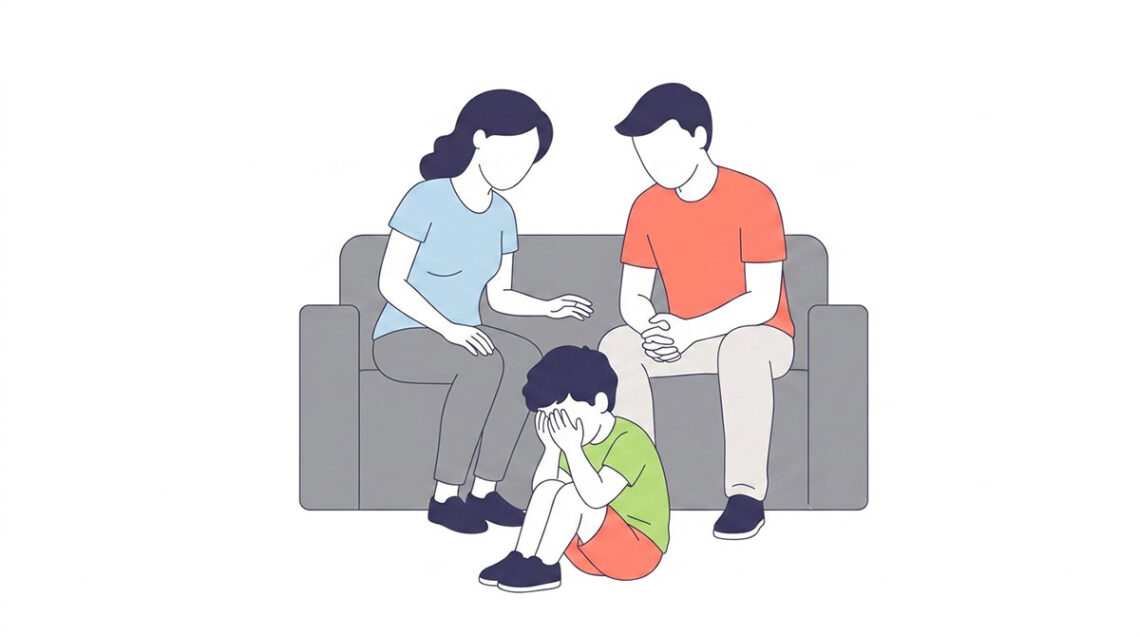

When a child with autism experiences intense emotional waves or daily anxiety, the impact ripples across the entire family.
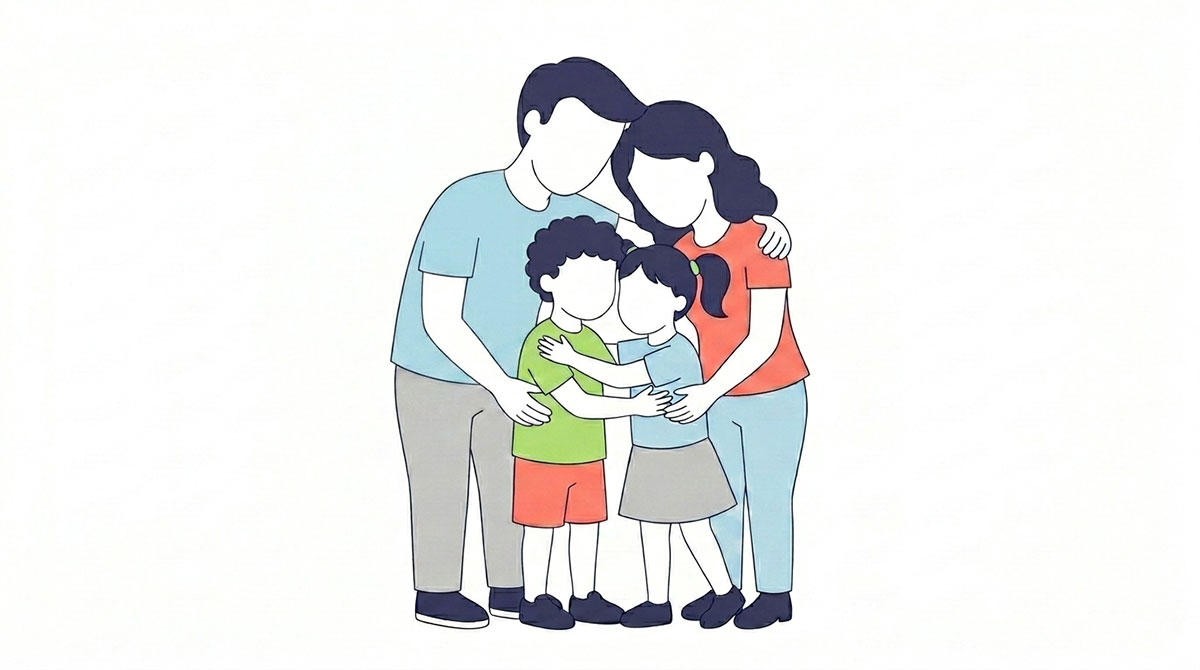
Navigating an autism diagnosis requires a robust support system centred on parental well-being, professional guidance, and community resources.