

Why Are Occupational Therapists Important for Autistic Children
Executive Summary:
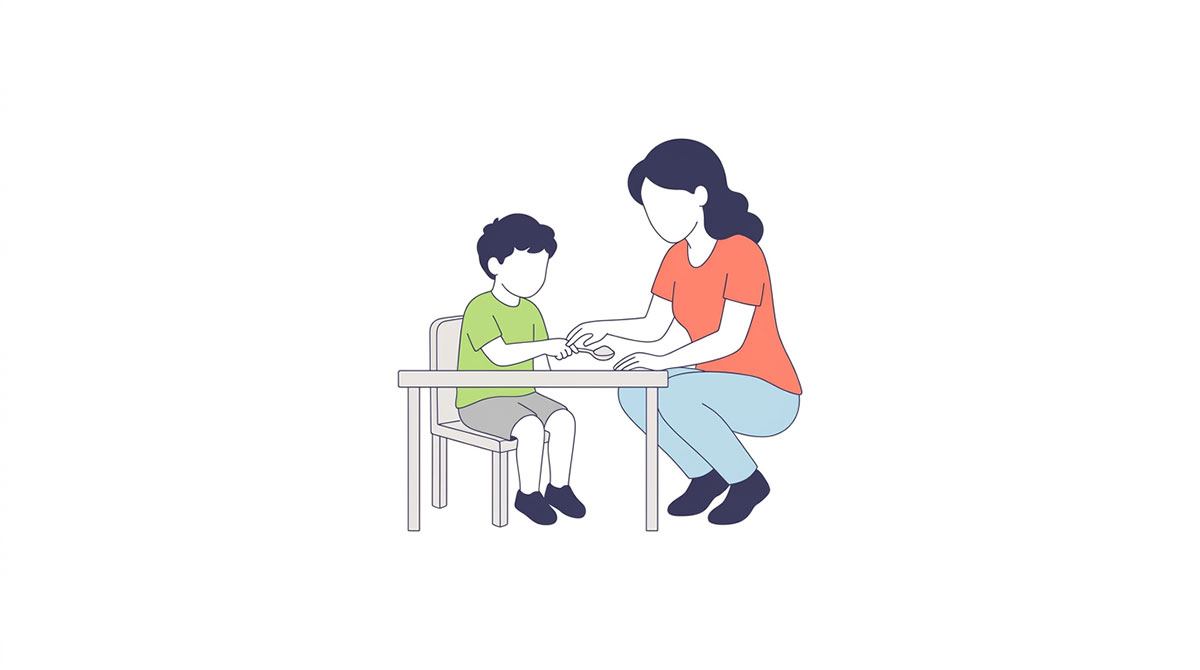
Occupational Therapists (OTs) are specialized healthcare professionals dedicated to helping children develop the foundational skills required for the everyday "occupations" of childhood: playing, learning, dressing, eating, and interacting with the world around them. By addressing fine and gross motor coordination, sensory processing, self-regulation, and daily living activities, an OT helps a child with autism navigate daily life with increased independence and confidence.- Occupational Therapists focus on sensory processing, fine and gross motor skills, self-regulation, and daily routines.
- Therapy improves long-term independence in self-care, social participation, and emotional regulation.
- Monarch House OTs deliver compassionate, neurodiversity-affirming care tailored to each child's unique strengths and needs.
In This Article
- What Is an Occupational Therapist and What Do They Do?
- Why Is Working with an Occupational Therapist Important for Your Child?
- What Are the Key Outcomes of Occupational Therapy?
- Why Are Monarch House Occupational Therapists the Best Choice for Your Family?
What Is an Occupational Therapist and What Do They Do?
An Occupational Therapist is a regulated health professional who evaluates and supports a child's ability to perform meaningful daily tasks. Rather than focusing solely on physical movement, an OT evaluates how sensory, motor, cognitive, and environmental factors interact to affect a child’s daily functioning. For an autistic child, daily activities - such as brushing teeth, getting dressed, or handling classroom transitions - can present unique sensory and motor challenges. Occupational Therapists break down complex tasks into manageable steps and modify environments to build practical skills. Key areas of focus include:- Sensory Processing: Helping children organize and respond appropriately to sensory input (such as sound, light, texture, or movement).
- Self-Regulation: Teaching strategies to manage emotional arousal, stress, and energy levels throughout the day.
- Fine Motor Coordination: Strengthening hand muscles for writing, cutting with scissors, buttoning shirts, and using utensils.
- Gross Motor Skills: Developing core strength, balance, and coordination for larger movements like running, jumping, climbing, and playing sports.
- Activities of Daily Living (ADLs): Building independence in personal hygiene, dressing, feeding, and nighttime routines.
Why Is Working with an Occupational Therapist Important for Your Child?
Working with an Occupational Therapist is essential because it addresses the root causes of daily challenges rather than just managing symptoms. When a child with autism struggles with a task like writing or eating new foods, it is often due to underlying sensory sensitivities or motor planning difficulties. An OT provides individualized strategies that empower children to overcome barriers, reducing frustration for both the child and their family. Early intervention with an OT fosters foundational motor and emotional skills, preventing cumulative developmental delays and promoting long-term autonomy.What Are the Key Outcomes of Occupational Therapy?
The primary goal of occupational therapy is to maximize a child's functional independence and enhance their overall quality of life. Therapists work toward meaningful milestones that allow children to thrive across home, school, and community settings. Key therapeutic outcomes include:- Enhanced independence in self-care and daily household routines.
- Improved ability to self-regulate during stressful or sensory-overwhelming situations.
- Increased confidence and skill in play and social interactions with peers.
- Greater motor control required for academic tasks like writing and drawing.
Why Are Monarch House Occupational Therapists the Best Choice for Your Family?
Monarch House OTs stand out because of their compassionate, evidence-based, and neurodiversity-affirming approach to pediatric care. Grounded in our core promise - "You Belong" - our therapists create a safe, supportive environment where every autistic child is accepted exactly as they are. Our Occupational Therapists do not view neurodevelopmental differences as deficits to be fixed; instead, they focus on leveraging your child’s unique strengths to overcome daily obstacles. Working closely within an interdisciplinary team alongside Speech-Language Pathologists and Behavioural Consultants, Monarch House OTs ensure holistic, seamless care. They partner directly with parents and caregivers, providing practical tools and compassionate guidance so your family never feels alone in navigating the path toward independence.Summary of Key Clinical Focus Areas
| Focus Area | Clinical Objective | Practical Everyday Example |
| Sensory Integration | Regulate responses to environmental stimuli | Managing noise sensitivity in busy classrooms |
| Fine Motor Skills | Improve dexterity and hand-eye coordination | Buttoning coats and holding a pencil efficiently |
| Gross Motor Skills | Enhance core strength, balance, and large-muscle coordination | Climbing stairs safely, riding a bike, or running without frequent trips |
| Self-Regulation | Develop emotional and behavioural control tools | Using deep pressure or visual schedules during transitions |
| Daily Living Skills | Foster independent execution of self-care routines | Mastering morning grooming and bedtime hygiene independently |
Frequently Asked Questions
How do I know if my child with autism needs an Occupational Therapist?
If your child struggles with daily self-care tasks (like dressing or eating), experiences extreme reactions to sensory inputs (like loud noises or fabric textures), or faces challenges with motor coordination and emotional regulation, consulting an OT can be highly beneficial.
At what age should a child with autism start occupational therapy?
Occupational therapy can begin at any age, including early toddlerhood. Early intervention allows therapists to establish supportive routines and sensory strategies as early as possible, setting a strong foundation for future growth.
How does an Occupational Therapist support a child's sensory needs?
An OT evaluates whether a child is a sensory seeker or a sensory avoider. Based on this profile, the therapist designs personalized sensory diets and environmental adaptations - such as quiet spaces, weighted items, or movement breaks - to help the child maintain a calm, regulated state.
At Monarch House, we understand that every neurodivergent child's needs are unique and urgent. If your child is struggling with communication, routines, or behaviour, reach out to us today to discuss your specific concerns and explore personalized support options.
Additional Support
How to Choose an OT Therapy Clinic in Canada
Choosing the right Occupational Therapy (OT) clinic for your child is one of the most significant decisions your family will make.
Why Are Instructor Therapists (ITs) or Behaviour Interventionists (BIs) Important
Instructor Therapists (ITs) and Behaviour Interventionists (BIs) are trained front line clinical staff who provide direct, 1-on-1 therapy to your autistic child
How to Recognize the Early Signs of Autism and Get Support
Recognizing early communication delays in children with autism and understanding the value of early intervention empowers parents to take decisive action.